Discover canton top Synthetic Turf Installation
Discover canton top Synthetic Turf Installation
Blog Article
Synthetic Turf Installation: The Environmentally Conscious Solution for Your Lawn
Applying synthetic turf provides a practical alternative for property owners seeking a responsible yard solution. Its strength and minimal care demands yield significant payoffs compared to conventional grass. As water management turns ever more vital, artificial turf provides a practical reaction to ecological worries. Yet, the determination to place artificial grass requires multiple issues that merit rigorous review. Which factors must residents examine before taking the move to this green alternative?
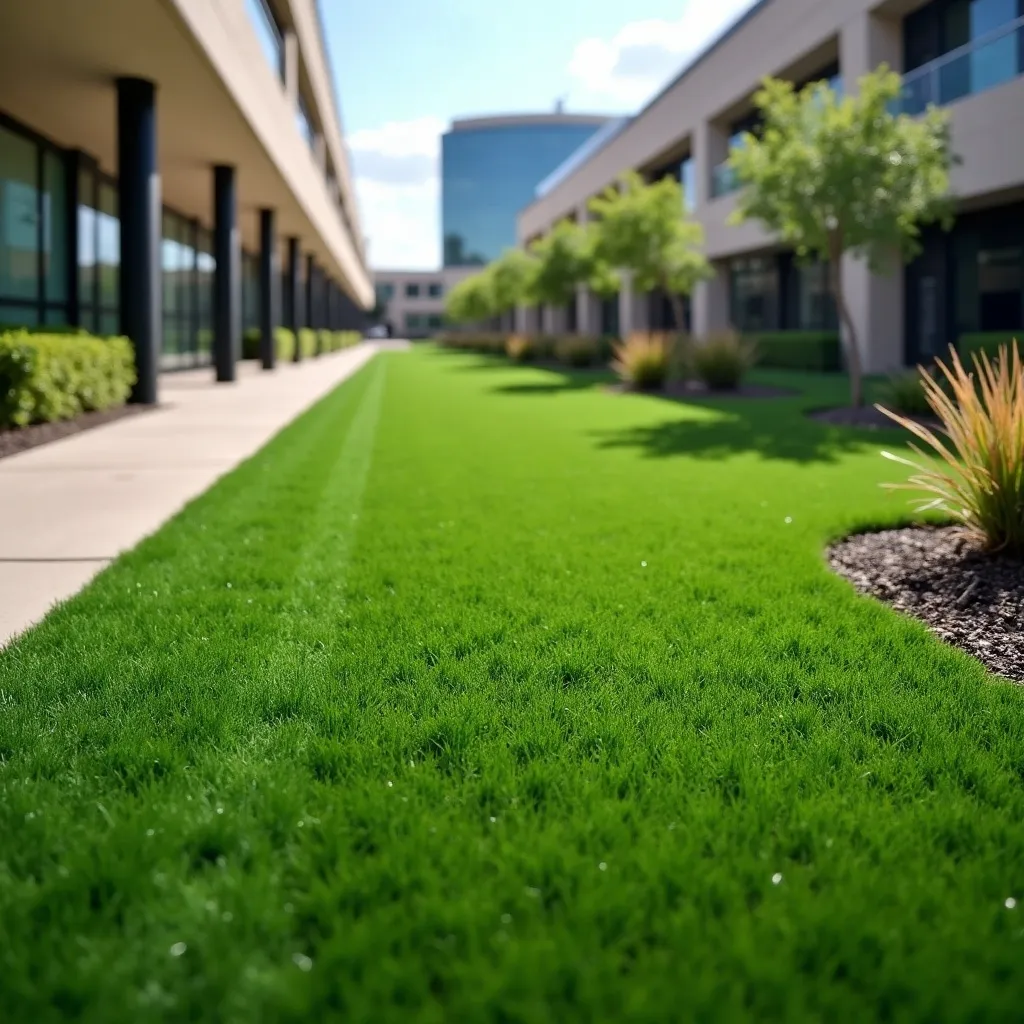
Understanding Synthetic Turf: Essential Features and Benefits
Synthetic turf has become a widely-used substitute to natural grass, providing many benefits for different applications. One of its key features is durability; synthetic grass can withstand heavy foot traffic and extreme weather conditions without degrading. This strength makes it an ideal choice for sports fields, playgrounds, and residential lawns.
Furthermore, synthetic turf needs minimal upkeep when set against natural grass. There is no requirement for trimming, watering, or applying fertilizer, generating considerable time and cost economies for homeowners and facility managers alike.
In addition, artificial grass is planet-friendly, as it preserves water resources and eliminates the need for injurious pesticides and chemical fertilizers.
With advancements in technology, modern synthetic turf reproduces the appearance and feel of natural grass, offering aesthetic appeal without the drawbacks. These features combined make synthetic turf a viable and attractive option for a wide range of uses.
Setting Up Synthetic Turf: A Phase-by-Phase Guide
When weighing the perks of synthetic turf, the next natural step is understanding the installation process.
The initial stage entails site preparation, which consists of removing the area of present grass, weeds, and debris. Next, a base layer of gravel or stone is positioned to guarantee proper water flow and stability. Following this, a protective fabric is installed to inhibit unwanted vegetation.
After preparing the base, the synthetic turf rolls are unrolled and positioned, making possible proper alignment. The edges are anchored with stakes or adhesive, confirming a seamless appearance.
After being positioned, a section of fill product, such as rubber or sand, is distributed uniformly to supply weight and support. Finally, the turf is brushed to lift the fibers and establish a natural look.
Implementing these steps yields a durable, low-maintenance lawn that enriches both aesthetics and usability.
Why Go with Synthetic Turf? Environmental and Practical Perks?
Selecting synthetic turf provides numerous practical and environmental advantages that render it an appealing option for numerous homeowners and businesses. One significant advantage is conserving water; artificial turf eliminates the need for regular watering, which is particularly beneficial in arid regions.
Furthermore, it reduces the reliance on damaging pesticides and fertilizers, supporting a stronger ecosystem.
From a practical standpoint, manufactured grass necessitates limited maintenance, reducing time and money on yard maintenance. It continues flourishing and green throughout the year, providing a consistent visual charm without seasonal fluctuations.
Additionally, synthetic turf offers durability, able to withstand heavy foot traffic and various weather conditions, making it suitable for both residential and commercial applications.
These elements not only boost the practicality of external environments but also support enduring sustainability, rendering synthetic turf a convincing selection for environmentally conscious purchasers.
Essential Factors for Synthetic Turf Implementation
Numerous elements must be taken into account before undertaking synthetic turf installation. First, it is vital to evaluate the proposed purpose of the area. Different varieties of synthetic turf are built for specific activities, such as sports or residential landscaping.
Second, the regional climate conditions should be factored in; some components may survive heat better than others.
Site preparation is another essential component, requiring proper drainage and a even terrain to ensure longevity and performance. Also, conceivable local regulations or homeowners' association guidelines may affect installation selections.
Determining the suitable infill material is critical for durability and comfort, as it shapes both the aesthetic and physical properties of the turf.
Finally, selecting a trustworthy contractor can greatly affect the quality and longevity of the installation. By addressing these factors, property owners can make informed decisions that best suit their requirements and improve their exterior spaces.
Regular Maintenance for Your Artificial Turf Lawn
A synthetic turf lawn needs a consistent cleaning schedule to guarantee that its corresponding information longevity and appearance are preserved.
Consistent upkeep includes tackling any issues and implementing restoration methods as needed.
Follow a reliable cleaning calendar
Preserving the look and durability of synthetic turf lawns requires a consistent cleaning schedule. Routine upkeep helps avoid debris buildup, reduces odors, and improves aesthetic appeal.
Homeowners should strive to clear leaves, twigs, and other decomposing matter at least once a week, especially during fall. Additionally, rinsing the turf with water monthly can help eliminate dust and allergens, guaranteeing a fresh look.
Active zones might need consistent maintenance to maintain the turf's integrity. When colder months occur, snow and ice must be carefully removed to shield from harm to the grass components.
Finding and Repair Pointers
Pinpointing and addressing issues promptly is essential for maintaining the integrity of synthetic turf lawns. Consistent inspections should be conducted to detect signs of damage, such as ruptures, fraying, or sloped surfaces.
Upon detecting a problematic area, swift action is necessary. Minor tears can be mended with dedicated adhesive or turf tape, ensuring a firm bond without affecting appearance. For larger issues, professionals may be needed to replace sections of turf.
Furthermore, maintaining the base material intact is vital; any displacement can lead to more serious problems. Regular brushing helps preserve an consistent surface and can also expose concealed defects.
Expense Analysis: Synthetic Turf vs. Natural Grass
When assessing the prices of synthetic turf to natural grass, beginning setup costs matter considerably.
Moreover, sustained upkeep costs can heavily influence the total financial obligation of each option.
A in-depth review of these elements demonstrates crucial information for prospective buyers.
First Setup Costs
Setup fees serve as a key factor in the choice process for homeowners and municipalities assessing synthetic turf against natural grass.
Generally, the upfront costs for synthetic turf can vary from $5 to $20 per square foot, based on quality and installation complexity. In contrast, natural grass installation usually costs between $1 to $2 per square foot.
However, the overall expenditure in authentic lawn can expand significantly due to ground treatment, water distribution, and regular upkeep requirements.
Property owners and local governments must evaluate these starting costs against the possible future gains of artificial lawn, such as lower water demand and lower maintenance requirements.
Ultimately, comprehending these costs helps with making educated, eco-friendly landscaping choices.
Ongoing Preventative Care Expenses
Prolonged maintenance expenses significantly shape the overall cost-effectiveness of synthetic turf compared to natural grass.
Natural grass demands ongoing costs, including regular mowing, nutrient application, irrigation, and pest control, which can accumulate considerably over time. Homeowners may spend hundreds to thousands of dollars each year to maintain a vibrant lawn.
In comparison, artificial grass needs minimal maintenance, primarily occasional cleaning and rinsing to clear away debris. Though the early investment in artificial grass might be higher, the reduced extended-term costs establish it as an attractive alternative.
Furthermore, synthetic turf avoids irrigation fees associated with irrigation, further improving its cost-effectiveness over time.
In the end, the financial advantages of artificial grass upkeep can lead to substantial savings for homeowners over time.
Refuting Frequent Myths About Synthetic Turf
Although many individuals harbor false beliefs about synthetic turf, comprehending the facts can produce informed decisions. One widespread myth is that synthetic turf is damaging to the environment; however, many products are made from recycled materials and are engineered to be long-lasting, decreasing waste.
A common assumption is that synthetic turf requires substantial heat management, but modern installations often incorporate effective cooling technologies that alleviate temperature issues.
Furthermore, some critics maintain that artificial grass encourages artificial compounds; yet, advancements in materials have markedly minimized the necessity for toxic filler materials.
Finally, the notion that synthetic grass cannot support biodiversity is deceptive; many installations can exist alongside with native plants, providing habitats for local wildlife.
Commonly Requested Questions
How Long Does Synthetic Turf Remain Durable Before Demanding Replacement?
Manufactured turf usually functions between 15 to 25 years before requiring replacement. Components influencing longevity include quality, care practices, and environmental conditions, which can significantly affect its durability and overall performance over time.
Determining Whether Companion Animals Can Safely Enjoy Synthetic Turf?
Pets may securely enjoy synthetic turf, as it is built to be durable and non-toxic. Regular servicing guarantees purity, making it a practical option for pet owners seeking a hassle-free, pleasant outdoor space for their animals.
Does Synthetic Turf Hold Heat in Sunny Conditions?
Certainly, synthetic turf does absorb warmth in sunny weather, markedly increasing surface temperatures. This can produce strain for both humans and pets. Regular irrigation or selecting lighter-shade turf can help diminish this heat absorption.
What Possibilities Are Offered for Synthetic Turf Colors and Styles?
There are artificial grass options featuring colors such as vibrant greens, earthy browns, and specialty shades. The designs range from realistic mimicry of natural grass to artistic patterns, catering to a wide array of aesthetic preferences and utility needs.
In What Ways Does Synthetic Turf Influence Local Wildlife?
Synthetic turf can disrupt local wildlife by changing habitats and decreasing natural food sources. Its lack of flexibility may deter certain animals from nesting or foraging, potentially resulting in decreased biodiversity in the impacted regions.
Report this page